





You still check. That may be the strangest part.
A face changes slightly and your body notices before your mind does. A pause in someone’s voice. A shift in breathing. A certain kind of silence. You know these things too fast now. The body remembers the schedule, when the worst waves would hit, when relief might come. It keeps listening in rooms that are empty now, or beside people who are fine now, or fine enough, which is its own category.
Live close enough to someone else’s pain and the nervous system starts treating it like a job. You learn the rhythms, the triggers, the vocabulary. You get fluent in things no one wants to know this well. You learn to read the slight tension around someone’s eyes, the change in breath, the silence that means it’s bad. You learn to scan without looking like you’re scanning. You weigh everything. Push now? Wait? Advocate harder? Respect the limit? Stay calm? Love and fear can turn a person into an expert in suffering they never asked to study.
The pain was never yours. Your body learned the vigilance anyway.
It stays in the body after the circumstances change. After the person gets better. After they don’t. After the relationship ends. After the official emergency is over. You still catch yourself bracing. You still notice too much. You carry it forward in ways nobody sees. In the way you can’t watch medical dramas anymore. In how you tense up when someone mentions they have a headache. In the panic that rises when someone you love doesn’t text back quickly enough. In the way you’ve memorized the location of every hospital in a fifty-mile radius.

People like to talk about caregiving as if it’s noble because noble is easier to look at. Angel, saint, strong one. All very convenient names for work that is often just brutal. Caregiving is showing up when showing up is awful. It is making decisions you do not feel qualified to make. It is swallowing your own fear so the person in pain does not have to carry that too. It is 4 a.m., fluorescent lights, plastic chairs, bad coffee, and doing what needs doing anyway.
And when the most intense part is over, whatever “over” means, the world expects you to slide back into ordinary life as if the body has an on-off switch. Dinner plans, TV, weather, small talk. All while part of you is still listening through the wall.
The body reorganizes around someone else’s suffering and then keeps the habit. Love, fear, and vigilance get tangled together until you cannot tell where one ends and the other begins.
You end up carrying knowledge you never wanted in a body that reacts before thought can catch up. You notice too much. A nervous system that learned the cost of delay. A life that has seen exactly how ugly love can look and showed up anyway. The details stay with you: hospital parking lots, wet washcloths, pills in little cups, being the calm voice while your own body is shaking.
After enough time close to someone else’s pain, the body stops caring whose pain it is. It just responds. It braces. It prepares.
That changes a person. Quietly. Permanently. In ways most people around you will never see, and you eventually stop trying to explain.
Be Alive 🌱
Love ❤️, Julia
Healing through Loss


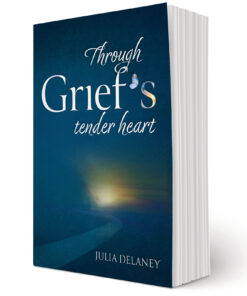
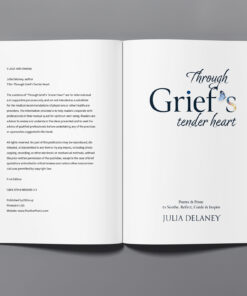


We’re in this together—every step, every breath, every heartbeat.
DISCLAIMER: The materials and the information contained on the Julia Delaney website are provided for general and educational purposes only and do not constitute any legal, medical, or other professional advice on any subject matter. None of the information on our videos is a substitute for a diagnosis and treatment by your health professional. Always seek the advice of your physician or other qualified health providers prior to starting any new diet or treatment and with any questions you may have regarding a medical condition. If you have or suspect that you have a medical problem, promptly contact your health care provider.
