


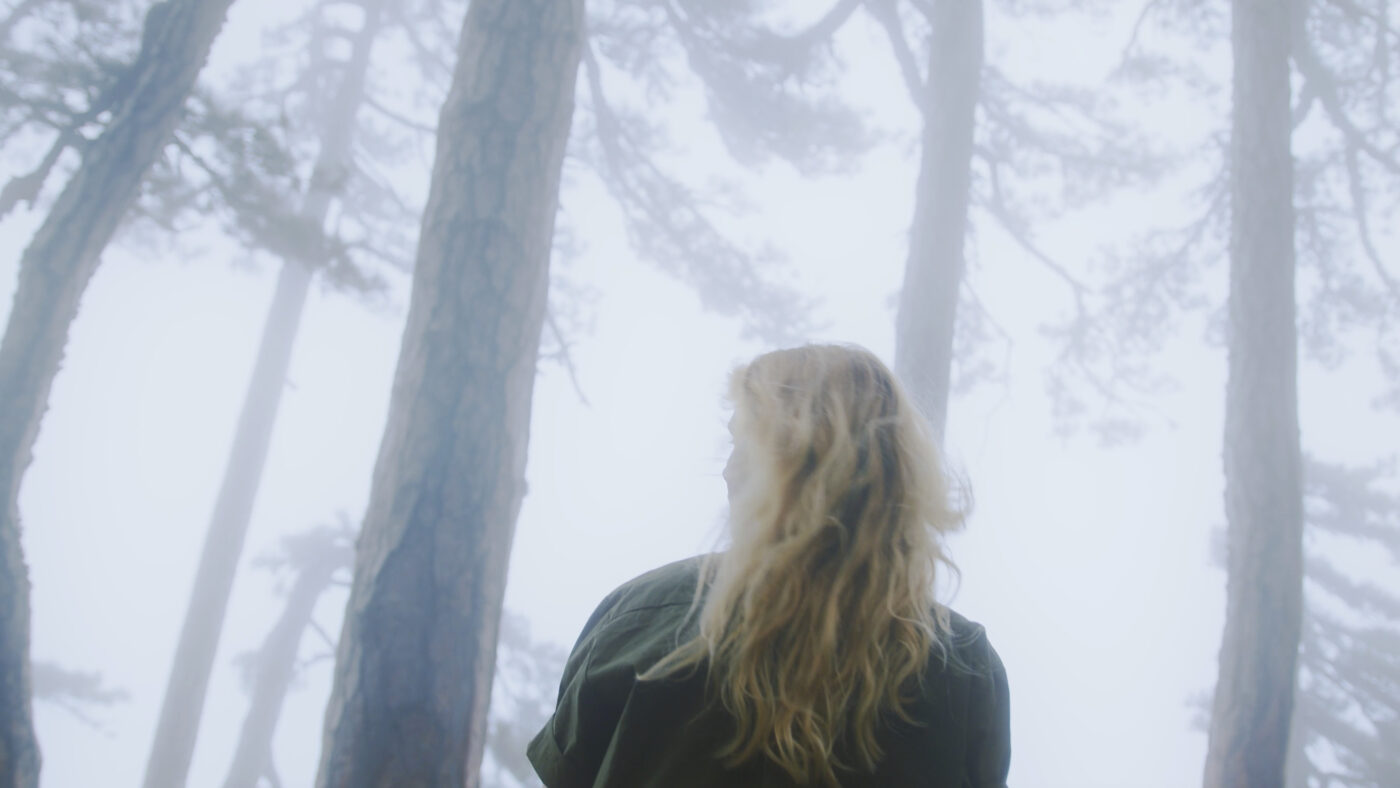


In Massachusetts, winter isn’t just cold – it’s gray. Endless, relentless gray that seeps into your bones from October through April. Gray sky, gray snow, gray slush, gray branches reaching through gray fog. The cold I could handle, but the grayness felt like living inside a black and white photograph of despair.
In February, while Boston was still buried under that gray monotony, I was starting tomatoes on every windowsill in my three-story house. It was a survivalist hobby, if you will. I needed green. I needed it the way other people need coffee – desperately, daily, without question. By March, the neighbors could no longer see through my windows, just endless rows of seedlings stretching toward a spring that felt impossible from inside the gray Northeast winter.
My relatives lovingly called me “mud pie” because I refused to wear gardening gloves. I needed to feel the earth directly, that connection between skin and soil that my Ukrainian grandmother had taught me to revere. She told stories of chernozem* so rich that farmers would press it against wounds and watch them heal. Soil was sacred, alive, generous. Soil is earth, and earth is never dirt – dirt was what you swept from the bathroom floors.
The day I melted snow with boiling water, I knew I’d crossed some invisible line between patience and desperation. Early April had arrived with its particular cruelty – warm enough to smell possibility, warm enough for my seedlings to strain against their pots with barely contained urgency, but still hostage to winter’s last stubborn stand. One snowbank remained, planted like a gray monument right where I needed to begin.
Standing in my kitchen, kettle steaming in my hands, I stared at that defiant pile of slush through the window. My tomato seedlings pressed against the glass behind me, their green energy almost audible in the morning quiet. Spring was there – I could feel it, smell it, taste it in the air that carried something beyond cold.
I wasn’t waiting another day.
So I went to war with that snowbank, one kettle at a time. Back and forth from kitchen to front yard, pouring rivers of boiling water over gray ice, watching it surrender to steam and stubborn determination. The neighbors walking their dogs that morning probably thought I’d lost my mind – this woman in her robe and boots, waging a one-person battle against winter’s last stand.
But that snowbank melted, and I got my hands in the earth that very afternoon.
By August, my father stood in my backyard, shaking his head in amazement. He’d grown up on a farm in Ukraine – he knew plants. “I’ve never seen anything like this,” he said, pulling out his phone to photograph tomato plants that had grown into actual trees. He sent the pictures to his brother back home (a real farmer), just to brag about what his winter-weary, city-dwelling daughter had managed to grow.

The secret was starting early and planting deep, but the magic was in the mixing. I didn’t believe in neat rows or careful planning. Hollyhocks towered between beefsteak tomatoes, roses tangled with chives, Ukrainian sunflowers nodded over cucumber vines that sprawled wherever they pleased. It looked like my grandmother’s cooking – chaotic abundance that somehow created perfect harmony.
By midsummer, I could harvest tomatoes, cucumbers, and sunflower seeds straight from inside my house – reaching through the living room, dining room, and kitchen windows to pluck whatever I wanted for lunch. Those tomato sandwiches! Fresh salad leaves, herbs still warm from the sun, beefsteak tomatoes so ripe they barely held together, all piled onto sourdough and devoured standing in my kitchen, juice running down my chin like summer itself.
By August, I was drowning in my own success. We ran out of jars for sauce, ran out of neighbors willing to take more zucchini, ran out of ways to use the tsunami of vegetables that kept coming. That’s when my garden became a neighborhood landmark. “Turn left at the house with the beautiful garden,” people would tell their friends giving directions, and I’d overhear from my kitchen window, grinning like I’d won something better than any blue ribbon.
I’d become the woman who refused to surrender to gray, who’d fought winter with boiling water and won.


Be Alive 🌱
Love ❤️, Julia


conversations




Rhyme & Reason



![[section label="Regret, You Silent Sculptor"] [row style="small" v_align="equal" h_align="center"] [col span="7" span__sm="12" span__md="6" animate="blurIn"] Grooves Regret works in the dark. Chisel and mallet, carving valleys in my chest, grooves in my mind, hollows I didn't know were there until I fall into them. It shapes with "what if," with "if only," with the door I didn't walk through, the call that went to voicemail, the words that sat in my throat and stayed there. It keeps reworking my memories, pressing new grooves over old, until I can't tell anymore which version I lived and which one it made. The groove gets deeper. The chisel returns to the same line. I feel it wearing through and I hold still for it like I'm helping. But my hands are moving too. On different clay. Something regret hasn't touched yet. Two sculptors. Same room. One facing what was. One facing what's here. Neither puts down their tools. [gap height="10px"] [ux_text font_size="0.75" text_align="left"] (2018, © Julia Delaney) [/ux_text] [/col] [col span="5" span__sm="12" span__md="6"] [ux_image id="27223" image_hover="glow" depth="1" animate="blurIn"] [/col] [/row] [/section] The past is already carved. What matters is who's holding the chisel now... Be Alive 🌱 Love ❤️, Julia [section bg="24103" divider_top="waves-opacity" divider_top_flip="0" divider_top_to_front="0" divider="waves-opacity" divider_flip="0"] [ux_text text_align="center"] more from this hour: [/ux_text] [gap] [blog_posts style="default" type="row" col_spacing="xsmall" columns="3" columns__md="1" depth_hover="5" animate="blurIn" ids="27202,8949,27229" show_date="false" excerpt="false" comments="false" image_height="56.25%" image_hover="glow" image_hover_alt="zoom"] [/section] [block id= "poetry"] [block id="disclaimer"]](https://eadn-wc05-15915244.nxedge.io/wp-content/uploads/2026/01/poetry-about-life-711x400.jpg)


DISCLAIMER: The materials and the information contained on the Julia Delaney website are provided for general and educational purposes only and do not constitute any legal, medical, or other professional advice on any subject matter. None of the information on our videos is a substitute for a diagnosis and treatment by your health professional. Always seek the advice of your physician or other qualified health providers prior to starting any new diet or treatment and with any questions you may have regarding a medical condition. If you have or suspect that you have a medical problem, promptly contact your health care provider.
